Your facility requires regular sanitation protocols tailored to unique hazards, processing volumes, allergen management, and regulatory visits, including verifiable documentation confirming HACCP requirements, inspection compliance, and public health regulations. The information following give details about essential cleaning protocols.
Key Takeaways
- Sanitation technicians in Brampton cater to restaurants, grocery departments, commissaries, warehouses, bakeries, schools, mobile vendors, and allergen-sensitive operations.
- Frequently contacted areas, food-contact equipment, kitchens, floors, drains, restrooms, and storage areas are cleaned using sectional methods to avoid cross-contamination.
- Approved sanitizer dilution, appropriateness, and contact time are checked by approved vendors, with finalization documented via swabs, reviews, and corrective-action records.
- Sanitation schedules need to adhere to threat, throughput, switches, incidents, and guidelines, with regular, recurring, and seasonal activities allocated by zone.
- Protection, coded equipment, HACCP, public-health expertise, WHMIS preparation, credentials, and inspection-ready cleaning files are important supplier traits.
Food Safety Cleaning Requirements for Brampton Facilities
Food safety cleaning is mandatory for any Brampton facility that manages, stores, prepares, packages, or distributes food. Apply it to your business if it meets the criteria for public health review, food regulations, or HACCP protocols. This includes dining establishments, break rooms, distribution centers, market departments, meat shops, fish areas, stores, and food prep kitchens.
Documented food safety measures remains required in supply warehouses, processing plants, freezer locations, commercial bakeries, school food programs, reception facilities, and food delivery centers. Mobile and temporary operations count too, including mobile kitchens, market vendors, and seasonal booths. Your establishment needs recorded sanitation procedures whenever your workers work with ingredients, section ready-to-serve foods, heat finished items, or maintain allergen storage. In Brampton, hygiene stays elective; it represents lawful, operational, and customer protection standards.
What Services Do Brampton Cleaning Experts Provide?
You need cleaning experts who disinfect frequently contacted areas, kitchen areas, floor surfaces, and bathrooms to meet food safety and public health standards. They target these areas because they present the highest risk for contamination spread, slip hazards, and hygiene violations.
If you comprehend their cleaning services, you'll be able to confirm your operation satisfies required operational and regulatory standards.
High-Touch Surface Disinfection
Handling high-touch surface sterilization is critical for Brampton janitorial professionals because frequently touched zones can spread bacteria, viruses, and food residue within a facility. You must have a documented schedule for cleaning entry points, contact surfaces, control panels, railings, shared devices, registers, and cold storage handles. Using touchpoint mapping, professionals identify every commonly touched zone and determine cleaning intervals
Maintaining a one-way process, changing cloths, and separating sanitization equipment according to location ensures that disinfection remains verifiable, auditable, and inspection-ready consistently
Kitchens, Floors, and Restrooms
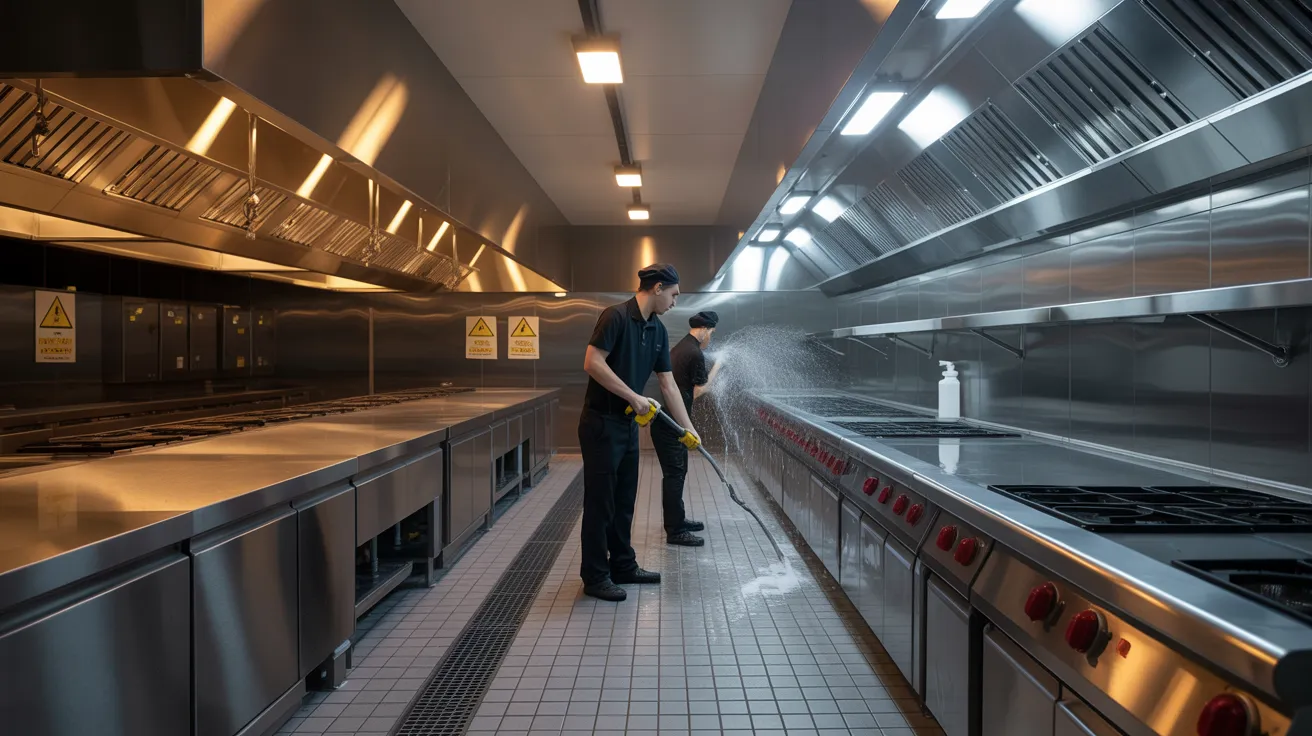
Expect Brampton cleaning experts to target kitchens, floors, and restrooms because each area carries distinct food safety, slip-and-fall, and sanitation risks. In industrial kitchens, you need degreasing on cook lines, equipment exteriors, drains, prep surfaces, and splash zones to reduce bacterial growth and pest activity.
Floor care that is documented should also be anticipated. Technicians scrub and extract buildup from grout, tile, and vinyl flooring, then apply suitable dehydration methods so you can reduce slip incidents and meet regulatory standards. They also handle entry points where dampness and dirt enter the building.
Restroom cleaning involves disinfecting surfaces, fittings, separators, professional advice dispensers, and containers, restocking supplies and controlling odours. They also service restaurant moprooms, where chemical storage, sink hygiene, and drainage conditions can affect sanitation compliance and staff safety daily.
How Food Safety Cleaning Benefits Brampton Operations
Brampton businesses need to implement food-safe cleaning standards for satisfying legal standards and passing inspections. You also reduce cross-contamination by cleaning and sanitizing food-contact surfaces, equipment, and high-touch areas correctly. Most importantly, you safeguard public health by lowering the risk of foodborne illness in your facility.
Food Safety Regulations
Since Brampton food companies must follow stringent health requirements, your hygiene maintenance directly influences your capacity to satisfy health codes, safeguard diners, and eliminate regulatory penalties. You must maintain sanitized food contact points, recorded sanitation plans, correct sanitizer application, and auditable operational standards that meet municipal and provincial inspection expectations.
Comprehensive sanitation documentation assist you in establishing due diligence during regulatory audits and confirming your procedures follow consistent patterns that are replicable and monitored.
Cross-Contamination Prevention
Maintaining health code standards copyrights on your capacity to prevent cross-contamination during everyday food preparation and sanitation. You must separate raw ingredients from ready-to-eat foods, sanitize prep surfaces between tasks, and position cleaning agents away from food surfaces. Clear procedures reduce transfer risks and reinforce steady regulatory adherence.
You might establish allergen separation to stop main allergens from reaching common areas, containers, or machinery. Apply separate boards, color-marked equipment, and rigorous tool identification so team members avoid blending products during preparation or service. Enforce washing hands following uncooked meat, fish, egg products, or allergens. Swap cleaning rags frequently, and test disinfectant concentration using strips. When employees learn these procedures every shift, you develop a more sanitary, secure business that matches Brampton's safety requirements daily.
Public Health Protection
If food safety cleaning declines, you don't merely risk a failed inspection—you amplify the risk of pathogenic contamination harming customers, staff, and the broader Brampton area. You also undermine your responsibility in safeguarding community wellness, especially in high-traffic food premises where pathogens travel quickly through surfaces, equipment, and touchpoints.
You depend on cleaning procedures that remove soils, effectively sanitize, and verify results. This entails adhering to contact periods, utilizing authorized sanitizers, recording schedules, and training employees to fulfill compliance standards. These initiatives promote pathogen control by suppressing pathogens before contaminating food or hands. In Brampton, robust sanitation shields vulnerable populations, minimizes disease spread, and proves your diligence. When you maintain standards, you exceed requirements—you meaningfully lower danger and promote secure food service across the region.
How Does Cleaning Support Food Safety Compliance?
Rigorous cleaning routines promote food safety compliance by decreasing contamination threats, limiting pathogen development, and positioning your facility in accordance with sanitation requirements under HACCP-based programs and public health regulations. You verify that food-handling surfaces are visibly clean and microbiologically controlled, supporting documented preventive controls and inspection readiness.
Cleaning efforts additionally amplify allergen control by clearing residues that can cause undeclared allergen exposure.
How Should You Schedule Commercial Cleaning Work?
Elevate cleaning rate during peak output, product changeovers, spillage occurrences, and after maintenance work.
Drains, ventilation systems, storage racks, and difficult-to-access areas call for weekly or monthly attention, guided by inspection findings and sanitation records.
Selecting the Right Brampton Cleaning Experts: Key Considerations
Screen providers initially by their food hygiene standards—not budget alone. You need to confirm that every company meets CFIA, public health, and HACCP standards for your operation. Demand insurance verification, WHMIS compliance, training records, and management systems. Evaluate technician understanding of contamination dangers, chemical safety, and documented sanitation practices.
You should also assess business dependability and responsibility. Request references from food facilities in Brampton, then examine response times, corrective-action procedures, and communication standards. Confirm the company participates in supplier audits and can present inspection-ready documentation when regulators or third parties request evidence. Check whether equipment is maintained is performed, color-coded implements are used appropriately, and site-specific hazards are recognized. A competent service protects compliance, product integrity, and your brand reputation.
What aspects should a sanitation plan include?
Write out a framework that defines every sanitation activity, guideline, and role before starting production. You should record cleaning frequencies, approved chemicals, dilution rates, contact times, tools, and verification methods for each zone, surface, and piece of equipment. Remember to add pre-operational inspections, corrective actions, and employee training requirements.
Your plan should also address contamination prevention, garbage management, pest control procedures, and recorded timelines for restrooms, drains, floors, and food-contact areas. Detail how you'll keep raw and prepared foods apart, support ingredient tracking, and maintain accurate allergen labeling through validated cleaning between product changes. You should assign accountability, keep signed records, and compare results against regulatory standards, HACCP controls, and customer requirements. When gaps appear, revise procedures immediately and retrain staff.
Commonly Asked Questions
Are cleaning services available for nighttime operations in Brampton facilities?
If you manage controlled environments, you'll also need documentation that support audits and ensure compliance.
Are emergency spill response services provided from sanitation professionals?
Yes, you can locate Brampton sanitation experts providing spill response services. They manage contamination, evaluate risks, contain affected zones, and begin swift decontamination to reduce risk and prevent business disruption. You should verify response rates, certifications, safety protocols, and disposal methods. If your facility must adhere to regulations, pick a provider that tracks incidents, adheres to standards, and supports verification.
Are eco-friendly disinfectants appropriate for food-contact surfaces?
Yes, green disinfectants can be suitable for food-contact surfaces if you select solutions certified for food use and regulatory compliant. You should verify contact duration, dilution ratios, and rinse requirements before use. Many botanical formulations decrease chemical burden, but you still need proof of efficacy against harmful bacteria. To keep surfaces residue-free, you should adhere to precise manufacturer instructions and ensure the disinfecting agent meets relevant food safety standards.
Can cleaning schedules be tailored for seasonal variations?
Absolutely, sanitation programs enable modification for seasonal production changes. Revise intervals, staffing, disinfectants, and confirmation procedures to match production rhythms while sustaining regulatory requirements. Reduce production downtime through organizing cleaning around line changes, high demand periods, and equipment use patterns. Further modify written procedures, staff education, and monitoring protocols to account for temporary risks, new allergens, or increased soil loads. Periodic assessments ensure the schedule efficient.
Are commercial cleaners offering employee instruction on hygiene protocols?
Certainly, professional cleaning experts train your staff on sanitation best practices. You obtain staff training on correct chemical practices, processing times, cross-contamination prevention, equipment disassembly, and documentation procedures. They typically align coaching with HACCP, GMP, and CFIA or regional health bodies requirements. Many execute health assessments to verify compliance, uncover shortcomings, and strengthen corrective measures. This helps you copyright standard processes, satisfy audits, and minimize foodborne pathogen risks daily.
Conclusion
When you partner with Brampton food safety and commercial cleaning specialists, you aren't merely cleaning—you maintain your facility audit-prepared and your protocols compliant. From kitchens to processing floors, every clean surface and maintained area helps reduce unwelcome guests and avoid expensive problems. By arranging cleanings at the proper frequency and adhering to a detailed cleaning schedule, you safeguard employees, customers, and your reputation. In a tightly regulated environment, sanitary conditions aren't optional—they're fundamental to proper operations.